


Unfortunately, this artwork cannot be added to the room view.


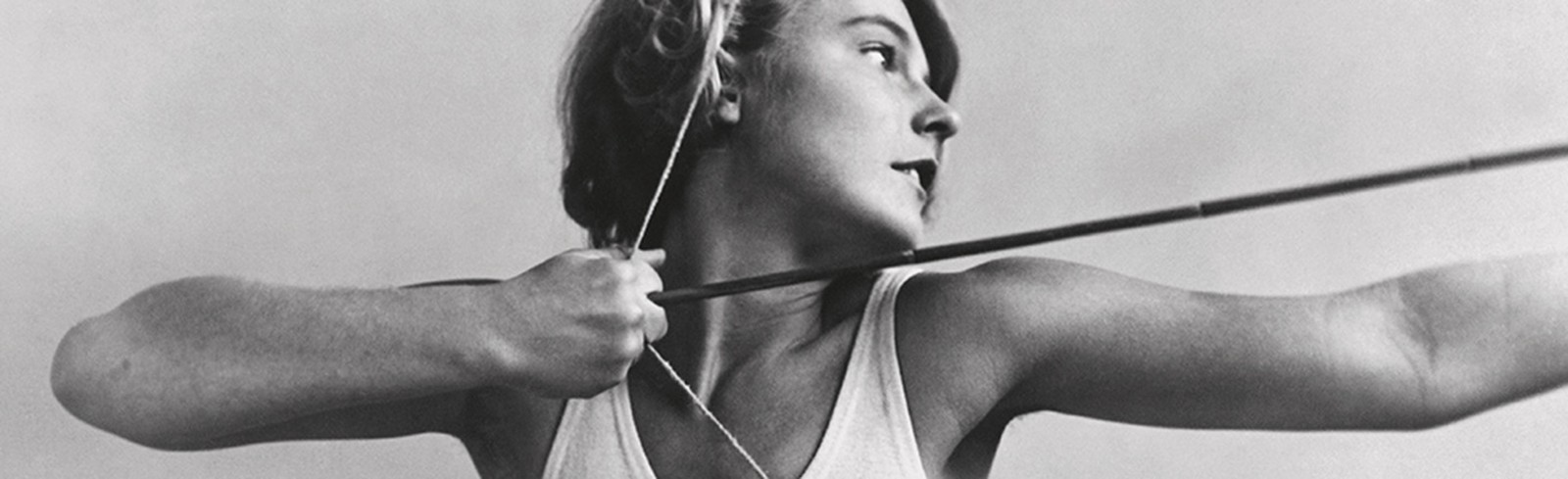
Friedrich Seidenstücker (1882-1966) is the flaneur among Berlin photographers. As a 22 year-old trained mechanical engineer, he came to the German capital where he worked as an airplane… Read more
Bio


| 1882 | born in Unna/ Westphalia |
| 1901-03 | Engineering studies in Hagen |
| 1904-05 | Studies at the Technical Academy, Berlin. Worked as a sculptor and photographer. |
| 1914-18 | Airplane constructor for Zeppelin-Bau AG in Potsdam |
| 1918-21 | Studied sculpting in Berlin |
| 1923-30 | Worked as an independent sculptor and photographer in Berlin. |
| 1930 | Photojournalist for Ullstein Publishing House, his first success photographing nudes and animals |
Publications in magazines such as “Die Neue Linie (The New Line)“, “Berliner Illustrirte Zeitung (The Berlin Illustrated Newspaper)“, “Die Dame (The Lady)“, “Der Querschnitt (The Profiler)“, “Die Woche (The Weekly)“. He employed a 9x12-semilunar valve camera, and later a 9x9-reflex camera | |
| 1945-50 | Photo series of the demolished Berlin |
| 1945-55 | Freelance photographer in Berlin, worked for various magazines |
| 1966 | died in Berlin |


